A Unique Path into Trucking Advocacy
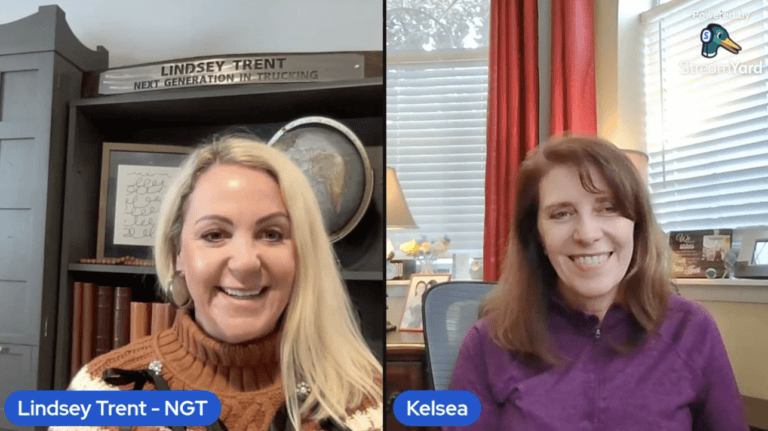
In this episode of NGT Talks, Lindsey Trent sits down with Kelsea, an attorney who has carved out a unique and impactful niche within the trucking industry—helping companies recover lost income after accidents through what are known as downtime claims. Her path into trucking began with a memorable personal experience, where the kindness of truck drivers left a lasting impression and ultimately shaped her professional journey. Today, she uses her legal expertise to advocate for trucking businesses, ensuring they are fairly compensated when unexpected disruptions occur.
The Hidden Cost of Truck Accidents
Downtime claims are one of the most overlooked aspects of accident recovery in trucking. While many companies focus on repairing damaged equipment, they often miss the bigger financial picture—lost income. When a truck is out of service, the expenses don’t stop, but the revenue does. For small fleets and owner-operators especially, this can be devastating. Kelsea explains that her firm focuses specifically on helping these businesses recover that lost revenue, giving them a chance to stay afloat and continue operating.
What Most Companies Don’t Realize
What makes this even more significant is that many trucking companies don’t realize they are entitled to these claims. Insurance companies may cover repairs, but they don’t always proactively offer compensation for downtime. Kelsea emphasizes that these losses are often recoverable under property damage claims and that trucking companies have the right to pursue them. Her firm works on a contingency basis, meaning clients don’t pay upfront—making it accessible for businesses that are already financially strained after an accident.
What to Do Immediately After an Accident
A major theme of the conversation is the importance of taking the right steps immediately following an accident. Kelsea highlights how critical it is to prove liability and document everything thoroughly. This includes securing dash cam footage, taking wide-angle photos and videos of the entire scene, gathering witness statements, and obtaining all relevant information from the at-fault party. These details can make or break a claim and significantly impact the ability to recover losses.
Smart Insurance and Documentation Strategies
She also encourages companies to file claims directly with the at-fault party’s insurance whenever possible, rather than their own, to avoid unnecessary deductibles and potential rate increases. Keeping a detailed timeline of events and actions taken after the accident is another key recommendation. Even efforts to mitigate losses—such as attempting to rent a replacement truck—should be documented in writing, as they can strengthen a claim.
When and How to Get Help
Kelsea’s firm is able to step in at any point, but the earlier they are involved, the better. Whether handling the entire claim or focusing solely on the downtime portion, their role is to calculate losses, build a strong case, and negotiate on behalf of their clients. While some claims are resolved quickly, others may take longer depending on the cooperation of the insurance company, sometimes requiring escalation or litigation.
Empowering the Industry Through Knowledge
At its core, this conversation highlights the importance of education and advocacy within the trucking industry. By shedding light on downtime claims, Lindsey and Kelsea are helping trucking professionals better understand their rights and protect their livelihoods. For an industry built on hard work, independence, and resilience, having the knowledge and resources to recover from setbacks is essential—and this is one more way to keep the next generation moving forward.