The trucking industry is at a turning point. As experienced drivers retire and workforce shortages continue to impact supply chains across the country, fleets are realizing that recruiting the next generation is no longer optional — it is essential. But attracting younger workers requires a different approach than what the industry has relied on in the past. Today’s workforce is looking for more than just a paycheck. They are looking for purpose, balance, technology, mentorship, and long-term career opportunities.
Gen Z Wants More Than Pay
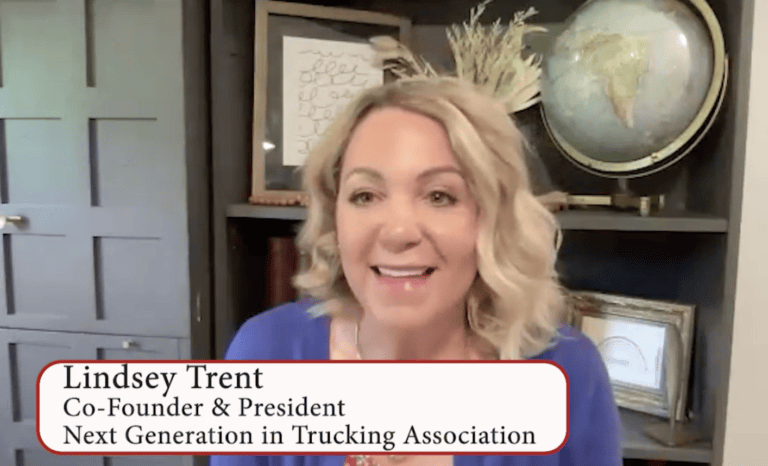
One of the biggest takeaways from the recent FleetOwner Quick Chat discussion featuring Cindy Brandt and Lindsey Trent of the Next Generation in Trucking Association is that younger workers are evaluating employers differently than previous generations. While compensation is still important, Gen Z drivers are also prioritizing predictable schedules, quality home time, work-life balance, and respect in the workplace. They want transparency in how they are paid, opportunities for growth, and employers that genuinely invest in their success.
Early Talent Development Starts in the Community
If fleets want trucking to become a first career choice, they must begin engaging students earlier. Young people cannot pursue careers they have never been exposed to. That means trucking companies need to build relationships with local schools, career fairs, CDL programs, diesel technician programs, and workforce development initiatives within their own communities. Fleets that participate in advisory boards, bring trucks to schools, support field trips, and allow employees to speak with students are creating awareness and building long-term workforce pipelines. According to Lindsey Trent, this kind of community outreach is not only workforce development — it is also one of the most important investments a company can make in its future workforce.
The First 90 Days Matter
Recruiting drivers is only part of the challenge. Retention begins the moment a new employee joins the company. The discussion emphasized how critical the first 90 days are for younger drivers entering the workforce. New drivers need consistent communication, clear expectations, mentorship, and support as they transition into their roles. Companies that provide structured onboarding, leadership development, soft skills training, and mentorship programs are seeing stronger retention and higher engagement. Younger employees want to feel connected, valued, and supported — especially during their first year on the job.
Technology Is a Retention Tool
Technology is also playing a major role in attracting and retaining younger drivers. Gen Z employees are digital natives who expect the same level of technology at work that they use in everyday life. Modern equipment, route optimization tools, proof-of-delivery systems, safety technology, workflow apps, and visibility platforms help create a more driver-friendly experience. More importantly, these tools reduce friction throughout the day and improve predictability for drivers. When routes are optimized properly and communication is clear, drivers experience less stress and more consistency — two factors that directly impact retention.
Mentorship and Relationships Build Loyalty
One of the strongest themes throughout the conversation was the importance of mentorship. Training programs alone are not enough. Young drivers need ongoing relationships with mentors, trainers, dispatchers, and operations managers who can guide them through the challenges of the job. Many younger employees prefer collaborative work environments where they feel heard and included. Fleets that foster strong communication and create supportive workplace cultures are more likely to retain younger workers long term. As the discussion highlighted, drivers who feel connected to their company and leadership are far more likely to stay committed to the organization.
Community Outreach Creates Stronger Companies
Community involvement also benefits current employees. Fleets that encourage drivers, technicians, and staff to volunteer at career fairs, speak at schools, or participate in community events often see increased employee pride and engagement. Employees enjoy sharing their careers and helping young people understand the opportunities available within trucking and logistics. This type of outreach not only helps attract future workers but also strengthens company culture and employee satisfaction internally.
The Future Workforce Requires Long-Term Investment
The future of trucking depends on long-term investment in people. Fleets that embrace mentorship, technology, transparency, training, and community engagement will be better positioned to attract and retain the next generation workforce. The companies that succeed will be the ones that stop viewing workforce development as a short-term recruiting challenge and start treating it as a long-term strategy for building sustainable careers and stronger communities. Trucking offers meaningful, essential careers that support families and keep supply chains moving — and the next generation is ready to step up if the industry is willing to invest in them.