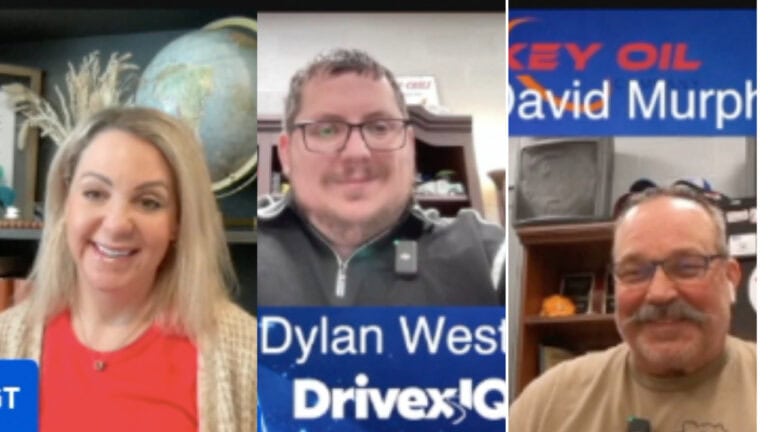
At the Next Generation in Trucking Association (NGT), we believe safety, leadership, and opportunity go hand in hand. In a recent episode of NGT Talks, I had the pleasure of sitting down with David Murphy and Dylan West of Key Oil — two safety leaders who have helped transform their company into one of the safest tank fleets in Kentucky.
Their story is proof that safety culture doesn’t happen by accident. It’s built intentionally, consistently, and with leadership that prioritizes people.
From FMCSA Warning Letters to Zero Crash Indicators
When David Murphy joined Key Oil in 2013, the company had just entered a captive insurance program and had already received two FMCSA warning letters tied to crash indicators. At the time, Key Oil didn’t have a formal safety department.
David brought decades of experience — from the Marine Corps to leadership roles in the waste and fuel industries — and knew what needed to change. The company implemented structured safety leadership, coaching, and eventually in-cab camera systems to better understand driver behavior and reduce risk.
Today, Key Oil operates multiple DOT numbers — all with crash indicators at zero.
That kind of transformation doesn’t happen overnight. It happens through leadership, data, consistency, and trust.
Technology as a Tool — Not a Weapon
One of the most impactful changes was the implementation of forward- and inward-facing cameras through Lytx. Like many fleets, there was initial resistance. Drivers worried about being monitored or “policed.”
But instead of forcing compliance, David and Dylan leaned into education.
They sat down with drivers. They logged into dashboards together. They showed how the system works — and how it protects drivers just as much as the company.
One powerful example involved an owner-operator who initially pushed back hard against installing cameras. Six months later, he was rear-ended by a truck that fled the scene. Thanks to the camera footage, Key Oil was able to identify the vehicle and resolve the situation. That driver is now one of the biggest advocates for the system.
The key? Coaching, not punishment.
When trends spike, they address them. When drivers avoid a crash, they celebrate it. The technology reinforces good behavior and creates accountability — without creating fear.
Building Camaraderie Through Innovation
Key Oil didn’t stop at cameras.
Dylan spent three years building a custom driving simulator to train drivers and demonstrate real-world risks like distracted driving and reaction time. Instead of purchasing a six-figure system, he engineered one internally to fit their needs.
The simulator is used in safety meetings, competitions, and training sessions. It brings drivers together — from 21-year-old rookies to seasoned veterans — and creates friendly competition that reinforces safe driving habits.
In one reaction-time competition, one of their oldest drivers (who had double knee replacements) posted the fastest time in the company.
The simulator creates more than training. It builds culture.
Developing Drivers — and Leaders
Key Oil actively hires drivers right out of school and invests in a 4–8 week structured training program. According to Dylan, younger drivers bring two key advantages:
- They are genuinely grateful for the opportunity.
- They don’t have decades of ingrained bad habits.
Rather than being “the place you work before going somewhere else,” Key Oil has become a company drivers call asking to retire from.
Their retention reflects it. Across 13 locations, staffing remains above 95%.
They also recognize excellence:
- 20% of CDL drivers earned Driver of the Year recognition.
- 15% of drivers are million-mile drivers.
- Multiple Safety Professional of the Year awards.
- Named Safest Tank Fleet in Kentucky.
- Four consecutive President’s Circle Awards within their insurance captive.
The awards are accepted by leadership — but earned by drivers.
Safety as Leadership, Not Compliance
Perhaps the most powerful takeaway from this conversation is that safety is not a checklist. It’s leadership.
David described it as “the evolution of leadership.” It’s daily conversations. It’s knowing your drivers. It’s catching someone doing something right. It’s building momentum and never stopping the process.
When companies start and stop safety initiatives, culture never takes root. But when it becomes part of the daily rhythm of the business, transformation happens.
Why This Matters for the Next Generation
At NGT, our mission is to promote careers in trucking, build and enhance school-based training programs, connect tomorrow’s workforce with today’s employers, and celebrate achievements across trucking.
Key Oil’s story shows exactly why safety culture attracts the next generation.
Young drivers want:
- Strong leadership
- Structured training
- Clear expectations
- Recognition
- A company they can build a future with
When fleets invest in safety, technology, and people, they don’t just lower crash indicators — they become employers of choice.
And that’s how we build a professional, skilled, and diverse supply chain for the future.